Custom playing cards last longest when the stock matches how the deck will be used, the cards stay clean and dry, and the deck lives flat in its tuck box between games. Get Custom Playing Cards prints paper and plastic playing cards, and this guide explains how to clean, store and retire a deck so your branded cards keep looking sharp.
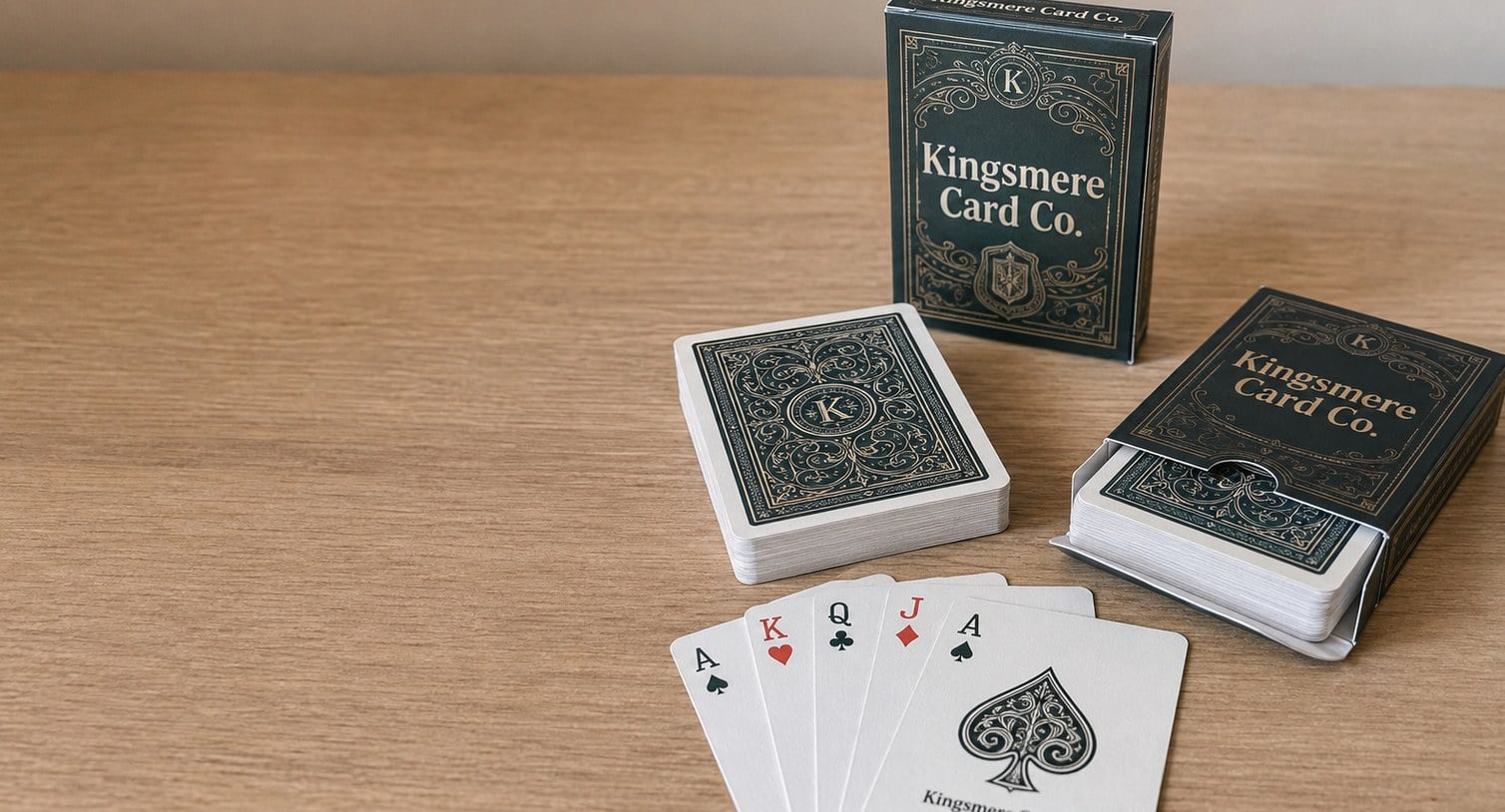
- Plastic playing cards stand up best to heavy shuffling and spills
- Paper decks should be cleaned dry, never with water or cleaners
- Store decks flat, dry and inside their tuck box
- Approved artwork can be reused for replacement decks
- Free mockup within 24 hours, about 2 weeks standard turnaround
How long do custom playing cards last?
Custom playing cards last as long as their card stock, finish and handling allow. A paper deck used for a few casual game nights can stay crisp for a long time, while the same deck shuffled hard every night at a bar table will show wear much sooner. Get Custom Playing Cards prints both paper decks and plastic playing cards, and the choice between them is the biggest single factor in deck life.
Three things decide how quickly a deck wears out: how often it is shuffled, what the cards touch (hands, drinks, table felt, sunscreen, snacks) and where the deck lives between games. A deck kept dry, flat and boxed will outlast an identical deck that rides around loose in a bag.
That is why the right question is not only “how long will it last” but “how will this deck be used”. A keepsake deck for clients sits in a drawer and needs to look good when opened. A game-room deck needs to slide, fan and survive spills. Plan the stock and finish around the real use, and the deck will meet expectations.
Paper or plastic playing cards: which holds up better to heavy use?
Plastic playing cards hold up better to heavy shuffling, spills and repeated play, while paper playing cards are the practical choice for giveaways, gifts and decks that will be used now and then. Both can carry the same full-color custom artwork from Get Custom Playing Cards, so the decision is about durability, feel and how the deck will be handled.
| Use | Better fit | Why |
|---|---|---|
| Bar, lounge or game room table | Plastic | Stands up to constant shuffling and can be wiped after a spill |
| Trade show or event giveaway | Paper | Light, familiar and suited to occasional play at home |
| Client or employee keepsake | Either | Plastic for a premium gift, paper for a classic feel |
| Poolside, patio or outdoor play | Plastic | Handles damp hands and humid air better than paper |
| Casino night fundraiser | Either | Paper for a single evening, plastic if the decks will be reused at future events |
If you are torn, think about the second use. A deck that will only be played once or twice rarely needs plastic. A deck that will be dealt every week almost always earns it. The custom poker decks page shows the deck styles built for regular play.
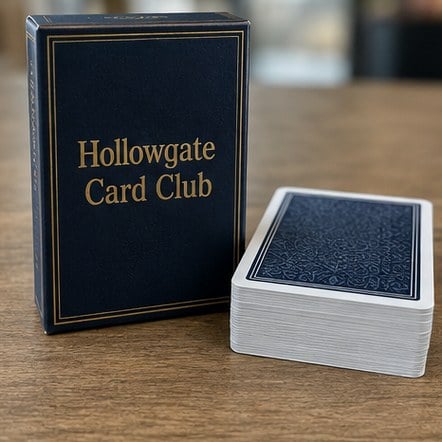
How should you clean custom playing cards without damaging them?
Clean custom playing cards gently and dry. For paper decks, a soft dry cloth removes dust and light smudges; avoid water, sprays and household cleaners, because moisture makes paper stock swell and lose its snap. Plastic playing cards tolerate a lightly damp cloth, followed by a dry one, which makes them the better choice anywhere drinks and snacks share the table.
- Wipe one card at a time. Work from the center outward so grime is not pushed into the edges.
- Dry immediately. Never stack damp cards, even plastic ones, because trapped moisture causes sticking.
- Skip harsh products. Solvents and abrasive cleaners can dull the printed artwork and the surface finish.
- Let the deck rest. Leave the cards spread out on a clean flat surface until they are fully dry before boxing them.
The best cleaning routine is prevention: clean, dry hands before play and drinks kept off the playing surface. A deck that never gets sticky rarely needs cleaning at all.
Why do custom playing cards stick together or stop shuffling smoothly?
Custom playing cards stick together or clump when oil from hands, humidity or residue from food and drinks builds up on the card surface. The finish that lets cards glide over one another is also what dirt clings to, so a deck that once fanned perfectly can start dragging after a sticky evening.
Several habits keep the slide alive. Wash hands before play, especially after greasy snacks or hand lotion. Keep the deck away from condensation on glasses. Store the cards in a dry room rather than a damp basement or a car. When a deck does start to clump, a gentle dry wipe of each card often restores most of the glide.
Finish matters too. Ask about card finishes when you request a quote from Get Custom Playing Cards; a deck designed for frequent shuffling should be specified that way from the start, not discovered after the order arrives. If the deck will be handled by many people, such as guests at a hotel or a company break room, choosing plastic stock is the simplest way to keep it shuffling smoothly for longer.
What is the best way to store custom playing cards between games?
The best way to store custom playing cards between games is flat, dry and inside their tuck box, away from heat, sunlight and moisture. A boxed deck lying flat keeps its cards straight; a deck stored on its edge, under weight or loose in a bag tends to bend, curl or pick up corner dings.
- Use the box. A custom tuck box is not only branding. It holds the cards square and protects the edges.
- Keep it cool. A sunny windowsill or a hot car can fade printed artwork and warp paper stock.
- Keep it dry. Humidity is the main cause of curled or wavy paper cards.
- Do not band the deck tightly. Rubber bands crease the outer cards and leave marks on the edges.
If a paper deck does curl slightly, leaving it boxed and flat under a light, even weight in a dry room often helps it settle back. Badly warped cards rarely recover fully, which is one more reason to store them well from day one.
How do you know when a custom deck should be replaced?
Replace a custom deck when individual cards become recognizable from the back, when the deck no longer shuffles or deals cleanly, or when the artwork looks tired in front of the people it is meant to impress. For a game deck, a bent corner or a stain that identifies one card is enough reason to retire it, because a marked card affects fair play.
Branded decks carry a second standard: they represent your business. A worn deck on a hotel nightstand or a bar table says less about your brand than a fresh one. Many venues keep a rotation, putting new decks into play and moving older ones to staff rooms or casual use.
Reordering is straightforward because your approved artwork can be reused. Get Custom Playing Cards returns a free mockup within 24 hours for any changes, offers unlimited free revisions and produces standard orders in about 2 weeks after approval, with faster turnaround available through express shipping. You pay nothing until you approve the design. Ordering a replacement batch before the current decks wear out avoids a gap where tired cards stay in service.
What should you tell your supplier so the deck matches how it will be used?
Tell your supplier where the custom playing cards will be played, how often and by whom, so the stock, finish and packaging match the real use. A one-line description such as “weekly poker at our lounge” or “keepsake gift for clients” guides the recommendation more than any technical spec.
When you request a quote from Get Custom Playing Cards, include:
- The setting: bar, hotel room, office, outdoor event, gift box or trade show.
- Expected play: once, occasionally or every day.
- Whether the cards will meet drinks, damp hands or outdoor air.
- Your preference for paper or plastic, or a request for advice.
- Deck size, with the bridge-size playing cards option for games where players hold many cards.
- Packaging needs, from a standard box to a fully printed tuck box.
The how it works page explains the steps from request to delivery. With the use described up front, the first mockup can reflect a deck built to last for that job.
Frequently asked questions
Can paper playing cards be cleaned after a messy game night?
Paper playing cards can be cleaned lightly with a soft, dry cloth wiped across each card from the center outward. Avoid water, sprays and cleaners, because moisture makes paper stock swell and lose its snap. If a drink has soaked a paper deck, the cards usually will not recover their feel, so plastic playing cards are the safer choice for tables where spills are likely.
Can plastic playing cards be wiped down after a spill?
Plastic playing cards can usually be wiped with a lightly damp cloth and then dried immediately with a dry one. Spread the cards out until every one is fully dry before boxing the deck, because trapped moisture causes cards to stick. Skip solvents and abrasive cleaners, which can dull the printed artwork. Get Custom Playing Cards recommends plastic stock for bars and lounges for this reason.
Why do custom playing cards start to clump during a shuffle?
Custom playing cards clump when oil from hands, humidity or food and drink residue builds up on the card surface and stops the cards from gliding. Clean hands, dry storage and drinks kept off the table prevent most clumping. A gentle dry wipe of each card often restores the slide, and decks that see constant play last longer when ordered in plastic stock.
How can I tell when a custom deck of playing cards should be retired?
A custom deck of playing cards should be retired when any card can be identified from the back, when the deck no longer shuffles cleanly, or when bent corners and stains make it look worn. A recognizable card affects fair play, and a tired branded deck reflects on your business. Get Custom Playing Cards can reprint your approved artwork so replacements match the original.
Do custom playing cards warp in humid weather?
Custom playing cards printed on paper stock can curl or turn wavy when they absorb moisture from humid air, especially if they are stored loose or on their edge. Keeping the deck boxed, flat and in a dry room prevents most warping. Plastic playing cards resist humidity much better, which makes them a sensible pick for coastal venues, patios and poolside play.
Does the tuck box protect custom playing cards during everyday use?
A tuck box protects custom playing cards by holding them square, shielding the edges from dings and keeping dust and moisture off the faces. Decks returned to their box after every game stay flatter and cleaner than decks left loose on a shelf. Get Custom Playing Cards prints custom tuck boxes, so the packaging that protects the deck can also carry your logo.
Which custom playing card stock lasts longest in a bar or game room?
Plastic playing cards last longest in a bar or game room because they stand up to constant shuffling, damp hands and the occasional spilled drink better than paper. Paper decks work for occasional play but wear faster under nightly use. When requesting a quote from Get Custom Playing Cards, describe how often the deck will be dealt so the stock recommendation fits.
How should custom playing cards be handled at an outdoor event?
Custom playing cards at an outdoor event should be kept in shade, off wet surfaces and inside their box between rounds. Sun can fade printed artwork, and damp air or wet hands can warp paper cards within a single afternoon. Plastic playing cards are the stronger choice for patios, pool parties and tailgates, and a weighted spot on the table helps stop wind scattering cards.
Does bending or springing custom playing cards shorten their life?
Custom playing cards lose their snap faster when they are bent hard, sprung between the hands or riffled aggressively every round. Each sharp bend leaves a small memory in the stock, and over time the cards stop lying flat. Gentle overhand shuffles and smooth riffles keep a deck flatter for longer. Plastic playing cards tolerate rough handling better than paper ones.
Can heat damage custom playing cards in storage or transit?
Custom playing cards can be damaged by heat, because a hot car, attic or sunny windowsill can warp paper stock and fade printed colors. Store boxed decks in a cool, dry room and bring them inside quickly after delivery. If decks will travel to an event, keep the cartons out of direct sun and open them indoors. Decks in their tuck boxes from Get Custom Playing Cards hold up better on the way.
How do I break in a brand-new custom deck of playing cards?
A brand-new custom deck of playing cards breaks in with a few gentle overhand shuffles and smooth riffles, which loosen the cards and help them fan evenly. Avoid hard bends or bridges on the first day. Wipe away any loose dust with a dry cloth before the first game. Within a short session the deck should deal and slide naturally.
How do collectors keep custom playing cards looking new for years?
Collectors keep custom playing cards looking new by leaving keepsake decks sealed or boxed, storing them flat in a cool, dry place and handling them only with clean hands. Sunlight and humidity are the main threats to printed artwork. For commemorative decks from Get Custom Playing Cards, many buyers order a spare set purely for display so the played deck can be enjoyed without worry.
Get a free mockup for your playing cards
Send your logo or idea and the quantity you have in mind. Get Custom Playing Cards returns a free mockup within 24 hours, you approve the design before anything is produced, and standard turnaround is about two weeks with faster options available. Get a custom quote.